
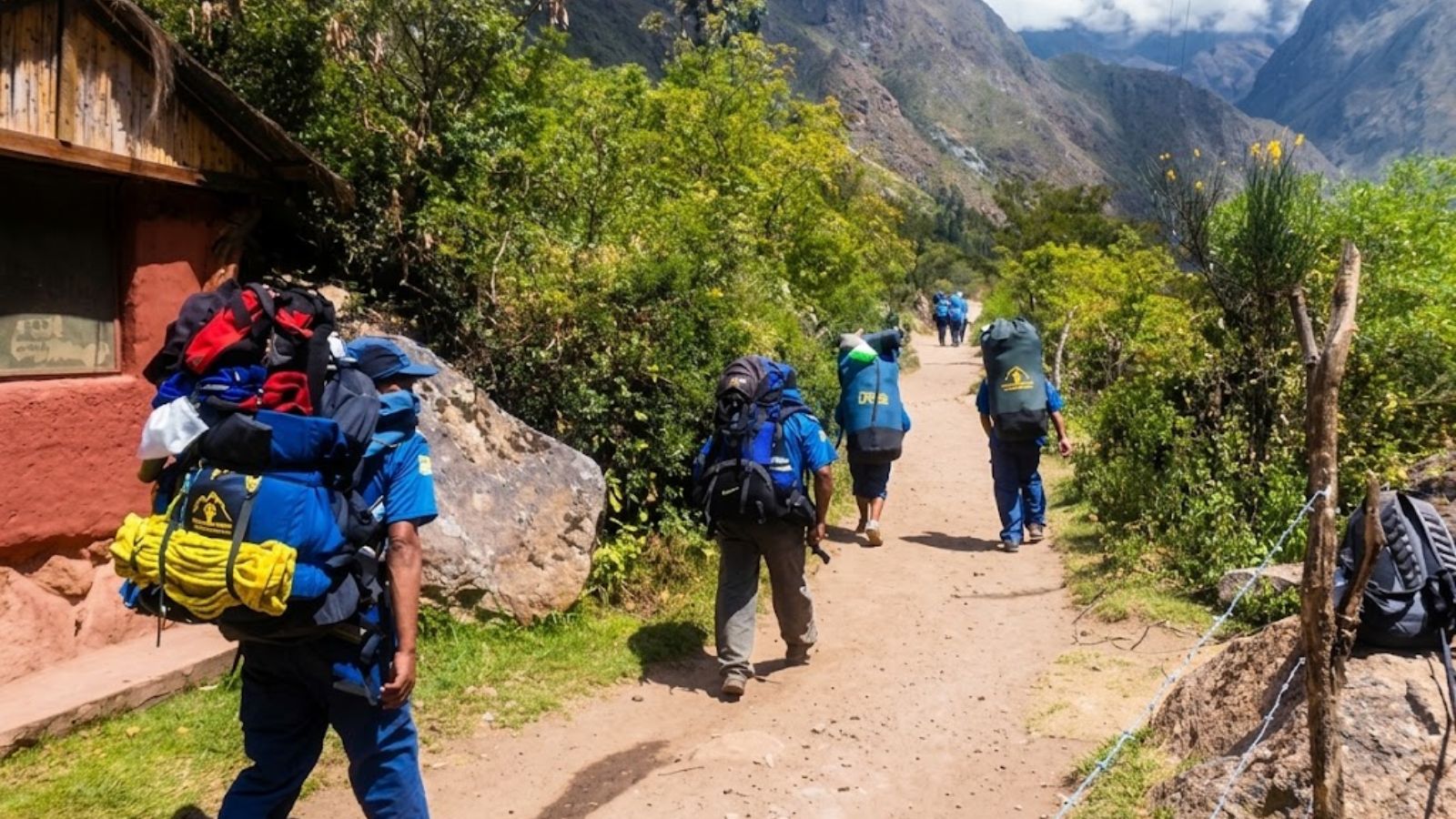
When you book the Inca Trail, sooner or later you’ll be asked: Do you want a personal porter? Do you need a sleeping bag? Would you like to rent trekking poles? These may seem like small extras, but they can make a big difference in your four-day hiking experience. In this guide, we’ll explain what a personal porter does, which gear is worth renting in Cusco, and what you should bring from home so you can make the right choices without paying extra or carrying unnecessary weight.
What’s Included in Your Tour and What Costs Extra
On an Inca Trail tour, the porter team already carries the group’s shared equipment: tents, cooking equipment, dining tent, food, and fuel. What you usually get to choose is how to handle your personal gear. The table below provides a general reference, but always check what’s included in your tour before renting anything.
| Service or Equipment | Usually Included | Usually Optional |
|---|---|---|
| Tents, kitchen, and dining tent | Yes | Private tent if you’re traveling solo and don’t want to share |
| Basic sleeping pad | Yes, foam pad | More comfortable inflatable sleeping pad |
| Sleeping bag | Depends on the tour | Rental for the duration of the trek |
| Trekking poles | No | Rental of one pair |
| Porter for personal belongings | Depends on the tour | Personal porter service for 7 kg or 14 kg |
How a Personal Porter Works
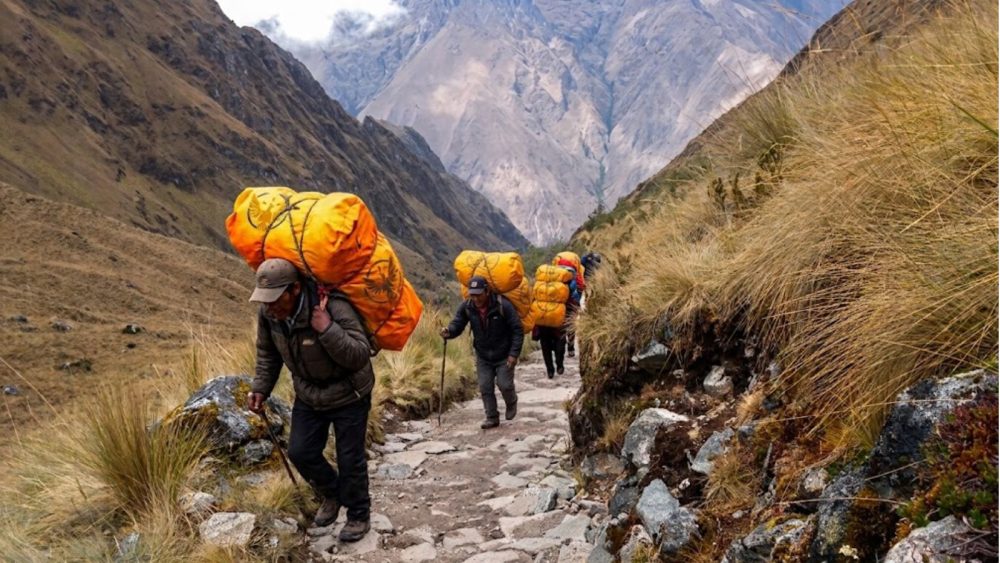
A personal porter carries a duffel bag with your belongings from one campsite to the next. You hike with only a daypack containing water, warm clothing, a rain poncho, snacks, and your camera. On most tours, the duffel bag allowance is up to 15.4 pounds (7 kg) per traveler. If you need more, you can hire a full porter service with twice that capacity.
That weight limit isn’t just an arbitrary rule set by the tour operator. Inca Trail regulations establish how much each porter can carry, and bags are weighed at the trail entrance checkpoint. If you’d like to learn more about the people who carry equipment along the route and how they work, read our guide to Inca Trail porters.
How Your 7 kg Allowance Is Divided
Your sleeping bag and inflatable sleeping pad can weigh almost 6.6 pounds (3 kg) combined. That leaves approximately 8.8 pounds (4 kg) for clothing, toiletries, and other items you’ll use at camp. Remember that you won’t have access to your duffel bag during the day. Your porter leaves after you and arrives at the next campsite before you. Everything you need while hiking must stay in your daypack.
When Hiring a Personal Porter Is Worth It
- It’s your first multi-day trek, or you’re not used to carrying weight uphill.
- You experience back or knee discomfort.
- You’re traveling with children or older adults who would benefit from carrying less weight.
- You want to enjoy the archaeological sites and take photos without arriving exhausted at Warmiwañusca Pass.
When You Can Hike Without a Personal Porter
If you hike regularly, have a well-fitted 40–50 liter backpack, and own lightweight gear, you may be comfortable carrying your belongings. Expect to carry around 18–22 pounds (8–10 kg) on your back for four days, including long climbs on stone steps. On the 2-Day Short Inca Trail, you don’t need a personal porter because you’ll sleep in a hotel and hike with a daypack.
What Hiking Gear Should You Rent in Cusco?
Renting equipment saves luggage space and reduces the weight you need to bring on your flight. Here are the most commonly rented items, along with approximate prices for the entire trek. Rates may vary depending on the tour operator and equipment quality.
| Equipment | Rent or Bring? | Estimated Price | What to Check |
|---|---|---|---|
| Sleeping bag | Rent unless you already own a good one | $20–$25 USD | Comfort rating around 23°F (-5°C), clean condition, and an included sleeping bag liner |
| Inflatable sleeping pad | Rent if you find foam pads uncomfortable | $15–$20 USD | Make sure it doesn’t leak air; ask to test it |
| Trekking poles | Rent or bring your own | $15–$25 USD per pair | Required rubber tips and secure locking mechanisms |
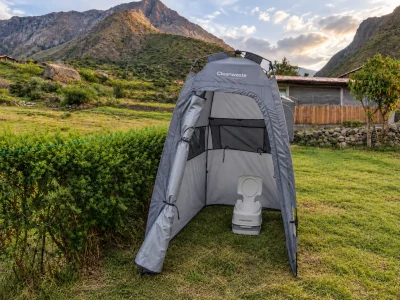
| Private tent | Only if you’re traveling solo and want privacy | Approximately $30 USD | Request it when booking, as availability is limited |
Regarding trekking poles: only poles with rubber tips are allowed on the Inca Trail to protect the ancient stone pathways. If you’ve never used them before, check out our trekking pole guide before your trip.
What You Should Bring From Home
Some items are better to bring yourself because they depend on personal fit, comfort, or hygiene:
- Hiking boots or trail shoes that you’ve already broken in. Renting boots or wearing brand-new footwear is a common recipe for blisters.
- A 25–35 liter daypack with a hip belt and a proper fit for your back.
- Thermal clothing and a waterproof jacket because nights at higher campsites can be cold.
- A headlamp for moving around camp and the early morning departure on the final day.
- Your own sleeping bag if you already have a high-quality one. You know how warm it is, and you won’t have to share it with anyone.
For a complete list of clothing and accessories you’ll need for the four-day trek, check out our guide on what to pack for the Inca Trail.
Three Gear Options Based on Your Travel Style
Travelers Who Prioritize Comfort
Hire a personal porter with a 15.4-pound (7 kg) allowance, rent a sleeping bag and inflatable sleeping pad, and bring or rent trekking poles. You’ll hike with only your daypack and arrive at each campsite with more energy.
Experienced Hikers
Bring your own lightweight camping gear and trekking poles, carrying everything in a larger backpack. You’ll save money on extras, but make sure you’ve practiced hiking several consecutive days with that amount of weight before your trip.
Families or Groups With Different Hiking Paces
Hiring one full porter for two people is often more practical than booking two half-load porter services. This allows children or older adults to hike carrying only water and warm clothing.
Common Mistakes When Booking Extra Services
- Waiting until the last minute to hire a personal porter. Porters must also be registered in advance. Request this service when booking your tour.
- Exceeding the allowed weight. If your duffel bag is overweight, you’ll have to remove items at the checkpoint and carry them yourself.
- Packing daytime essentials in your duffel bag. Always keep your rain poncho, sunscreen, and medications in your daypack.
- Failing to inspect rented equipment. Unpack your sleeping bag and inflate your sleeping pad during the pre-trek briefing, not when you arrive at the first campsite.
Frequently Asked Questions About Porters and Gear Rentals
Is Hiring a Personal Porter Mandatory?
No. You can carry your own belongings. Hiring a personal porter is optional and depends on your comfort preferences and physical condition.
How Much Weight Can a Personal Porter Carry?
On most tours, the allowance is up to 15.4 pounds (7 kg) per traveler, including the sleeping bag and sleeping pad. A full porter service offers twice that allowance.
Can I Access My Belongings During the Hike?
No. Your duffel bag travels with the porter and is returned to you at each campsite. Anything you’ll need during the day must be carried in your daypack.
Is It Better to Rent From Your Tour Operator or a Shop in Cusco?
Renting through your tour operator helps ensure the equipment reaches the trailhead and has been inspected. If you rent from a local shop, carefully check the equipment’s condition and confirm the return deadline.
Do I Need a Sleeping Bag for the Short Inca Trail?
No, not if your tour includes an overnight stay at a hotel in Aguas Calientes. You only need a sleeping bag for routes that involve camping.
Make Your Decisions Before Booking and Hike Lighter
A personal porter and a few rented items can make the difference between struggling through the Inca Trail and truly enjoying the experience. Consider your hiking experience, your back, and your group’s pace, and request any extras when booking. If you already have travel dates in mind, explore our Classic 4-Day Inca Trail and contact us to find out what’s included.